2000–2005 · Startup
Rotten Tomatoes
How a hobby site became an enduring brand that changed the entertainment industry, and how a team of friends learned to build, adapt, and survive through the dot-com bust.
- Rotten Tomatoes
- Startup
- Stephen Wang
- Stephen Wang's companies

How a hobby site became an enduring brand that changed the entertainment industry, and how a team of friends learned to build, adapt, and survive through the dot-com bust.
This essay is part of my extended autobiography. It follows Design Reactor and continues through Rotten Tomatoes’ acquisition by IGN Entertainment. After Rotten Tomatoes and IGN, I moved to China to help lead Xiaban.com.
From side project to company
By late 1999, Patrick Lee and I had built a successful web-design firm, Design Reactor. The work was rewarding and I enjoyed building games and web sites for clients like Disney and Warner Bros., but its growth was necessarily linear: every new project depended on more client work. We wanted to build a product of our own, something that could reach a much larger audience and that we could claim for our own.
At the same time, our creative director, Senh Duong, had been developing a small site from home that gathered film reviews and expressed the critical response to each movie in a simple, readable score. Rotten Tomatoes was an unusually clear idea at exactly the right moment. It gained momentum quickly during the summer of 1999, when The Blair Witch Project and Star Wars: Episode I: The Phantom Menace dominated conversation online.
As traffic and press attention grew, we decided to incubate the project and work out how it might become a business. Patrick, Senh, and I eventually formed a company around Rotten Tomatoes, raised funding, and moved our existing team into the new venture. In April 2000, we made the transition just as the internet economy was about to change dramatically.
Learning to survive
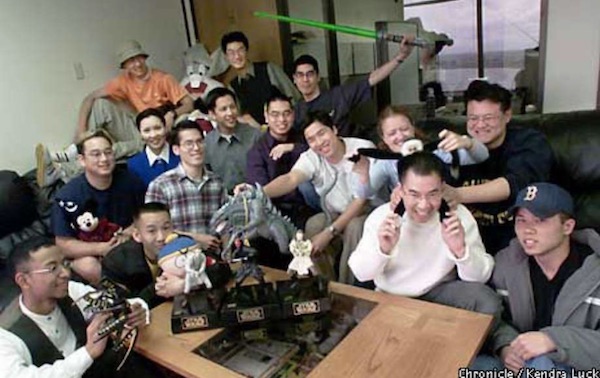
The dot-com bubble burst almost immediately. Online advertising, our primary source of revenue, collapsed, with advertising revenue falling to a tiny fraction of their previous levels. Like many young internet companies, we had to reduce the team sharply. At one point, just seven of us remained.
Raising money shortly before the downturn gave us a narrow but important advantage: we could cut expenses quickly rather than carrying the long, expensive commitments that overwhelmed many peers and partners. The constraint forced us to become more disciplined about infrastructure, product scope, and revenue. It also made us more inventive. Ultimately, as we had worked together through very tough times before both in college and at our previous startup, Design Reactor, we survived through the crisis as a highly united team of friends working on something that we all enjoyed building.
Building the product behind the brand
As CTO, I led the move from a resource-intensive collection of static HTML pages to a database-driven LAMP platform. We built an internal content-management system called Web Farm, which let a small team expand Rotten Tomatoes into a much more comprehensive service: eventually more than 100,000 titles and hundreds of thousands of people in film and entertainment.
Early on, editors read thousands of reviews and manually extracted quotations and Fresh or Rotten ratings. A partnership with the Movie Review Query Engine helped us incorporate millions of reviews and ratings from more than a thousand sources. We also built tools that allowed critics to register, maintain their profiles, and submit their own quotations and ratings. Together with the Online Film Critics Society, those systems reduced the manual burden substantially while helping give online film criticism a stronger home.
Making reach sustainable
Once we could collect and organize entertainment data efficiently, we found ways to turn that capability into a business. We licensed film data to clients including Netflix and Microsoft. Apple, Google, and Ask incorporated Rotten Tomatoes ratings into their products, while Variety and The Hollywood Reporter used the Tomatometer in regular film coverage. Data licensing became both a meaningful revenue stream and a way to make the brand more visible beyond our own site.
Search was another major engine of growth. In the early 2000s, search-engine optimization was still a young discipline, but we worked carefully on page structure, internal linking, directories, and relevant external links. By the time I left in late 2005, Comscore reported 6.2 million monthly unique visitors. That reach helped restore advertising revenue, while affiliate partnerships for tickets, posters, merchandise, DVDs, and The New York Times reviews diversified the business further.
Before social media had a name
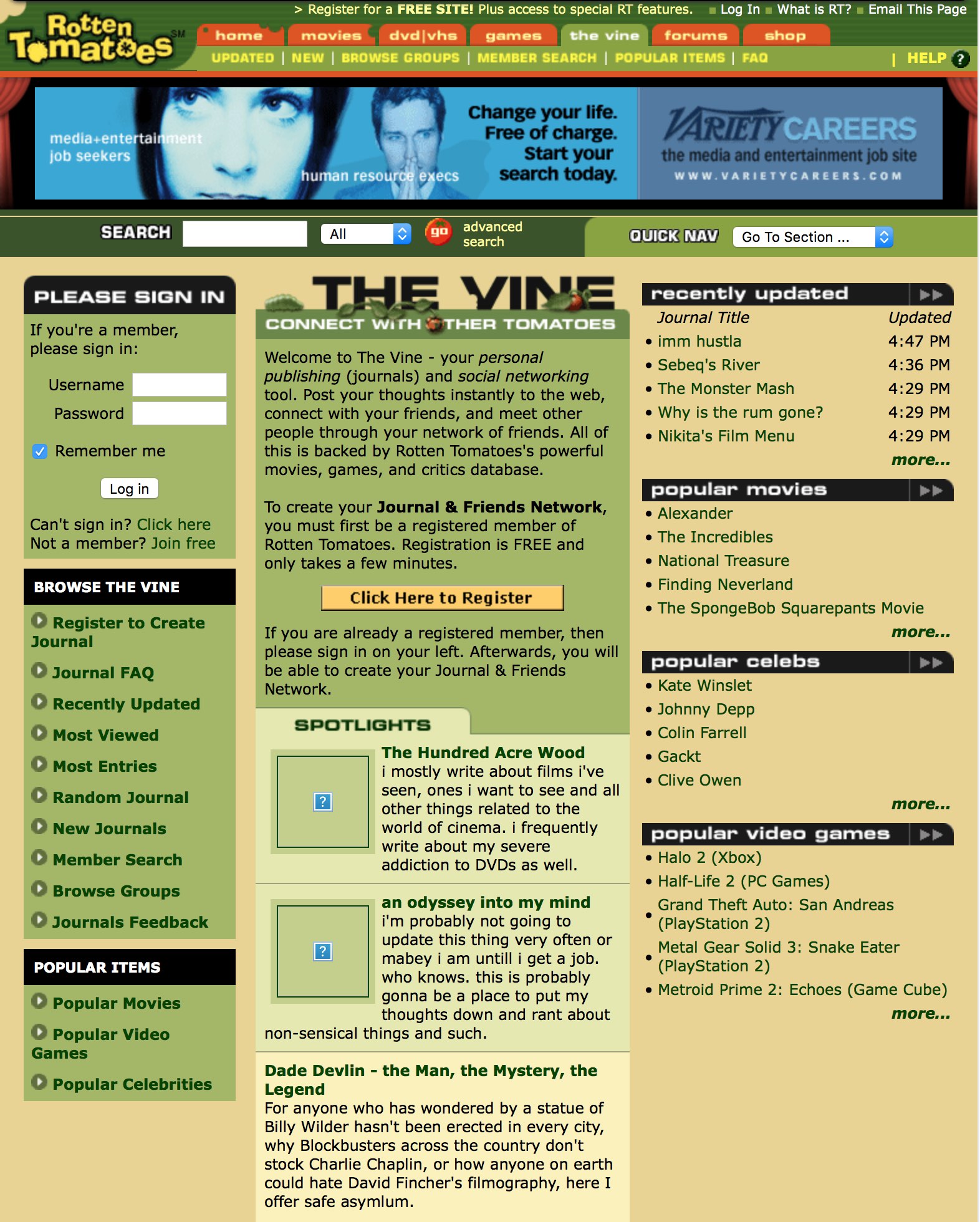
In October 2003, we launched The Vine, a dedicated entertainment social network that combined ideas from Friendster and Xanga. Members could rate and review films, music, and games; build ranking lists; and create groups with shared blogs and profiles. We used the same foundation to work with studios and distributors on mini-sites, contests, and campaigns.
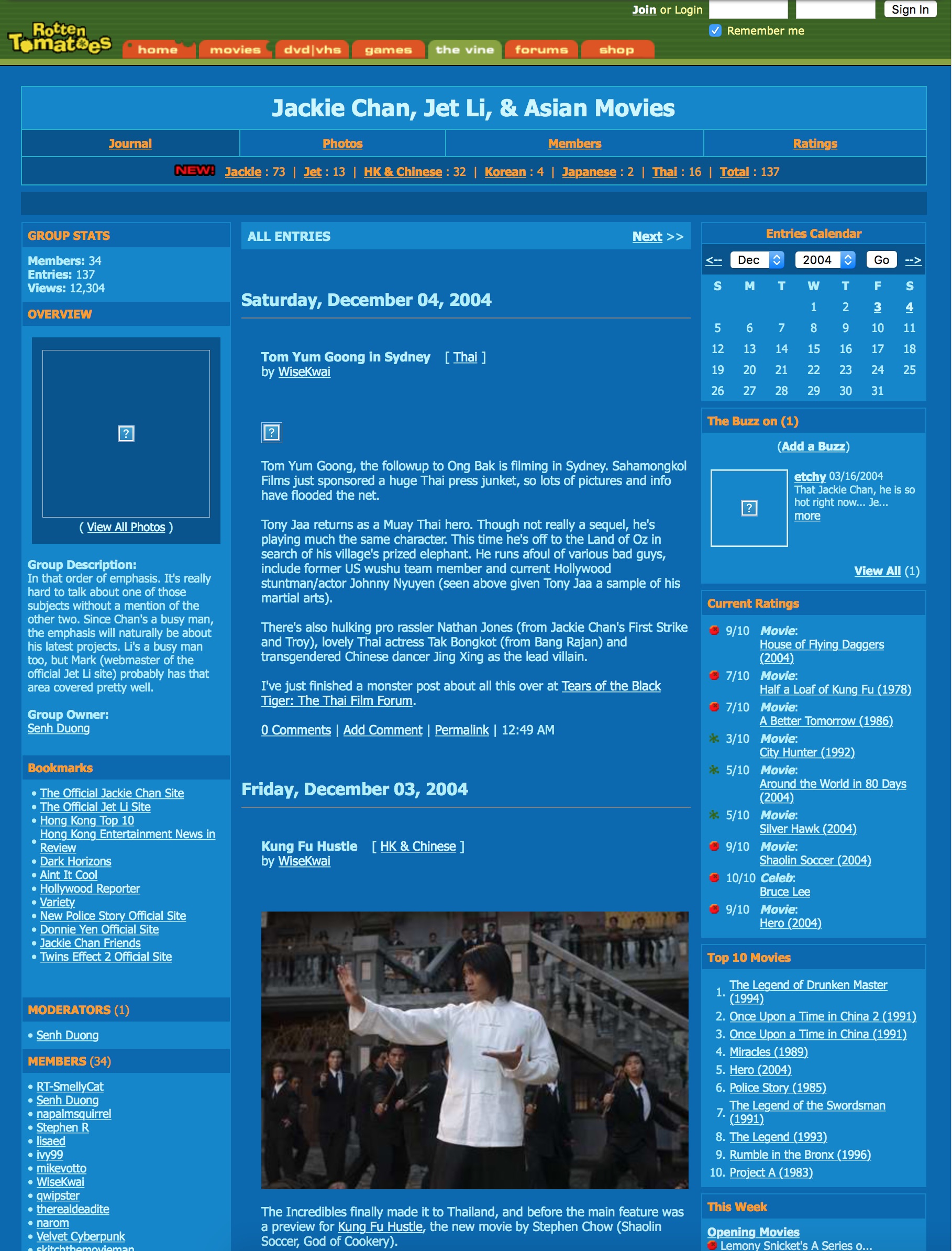
The forums mattered just as much. They grew into one of the web’s most active film communities, with fans organizing annual Las Vegas meetups. As far as I know, three marriages began among people who met in the Rotten Tomatoes forums—a small but memorable reminder that a product can become part of people’s lives in ways its builders never predict.
From independence to acquisition
By 2003, Rotten Tomatoes was profitable, growing, and one of the largest independent film sites left still unacquired. We received offers but believed there was more to build. In 2004, IGN Entertainment made an offer that felt right, and Rotten Tomatoes was acquired that August. I remained through the end of 2005 before moving on to the next stage of my life and career, this time by rejoining my former Rotten Tomatoes CEO, Patrick Lee, at his startup in China.
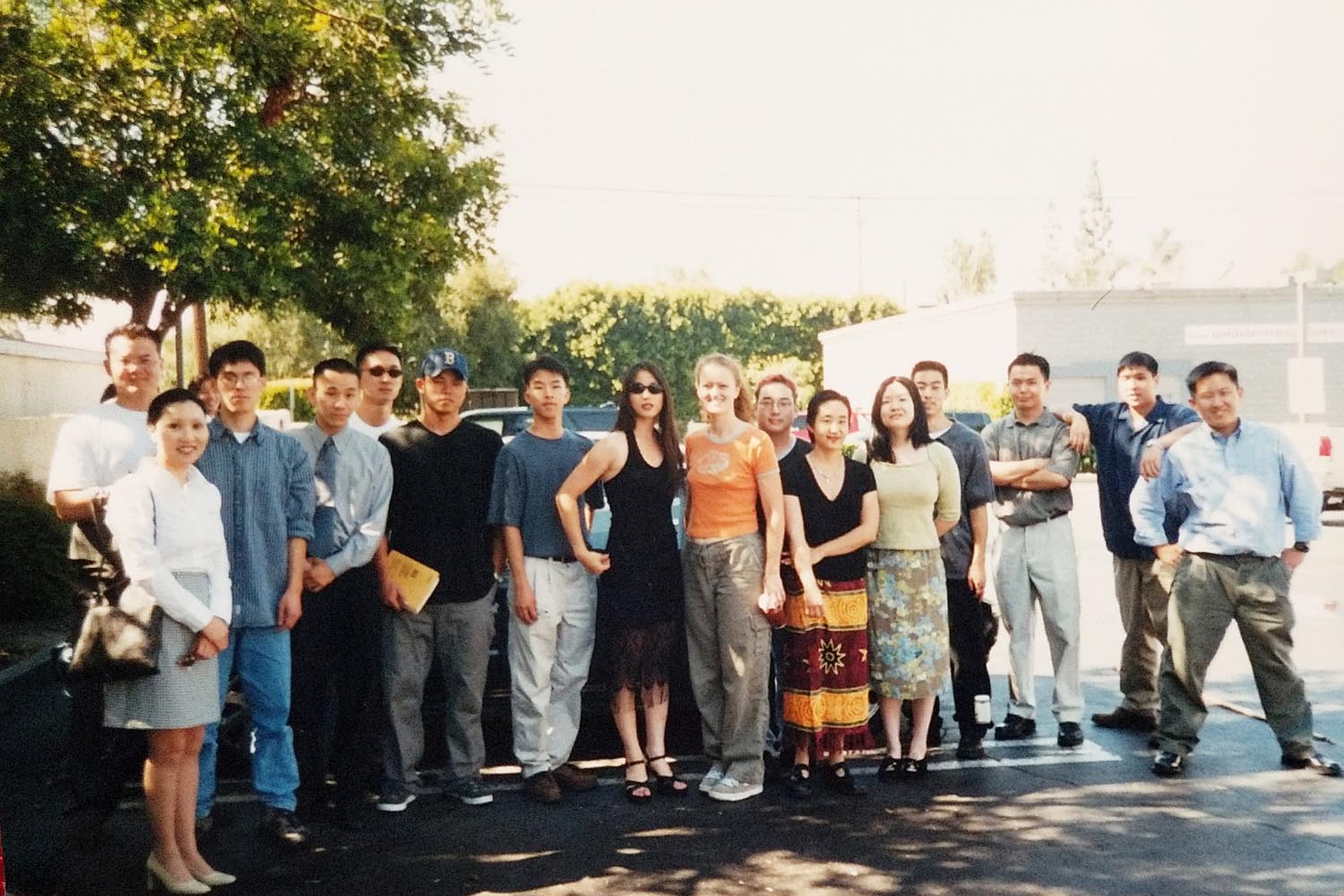
What I remember most is not simply the outcome. It is the experience of taking a clear, useful idea through a difficult market, building the systems that allowed it to scale, and working with a small team of friends that kept finding a way forward. Rotten Tomatoes became a long-lasting brand people trusted because it helped to improve the way that people decide what movies to watch and how we talk about film. That remains the kind of work I care about most.
Celebrating Rotten Tomatoes’ 25th Anniversary
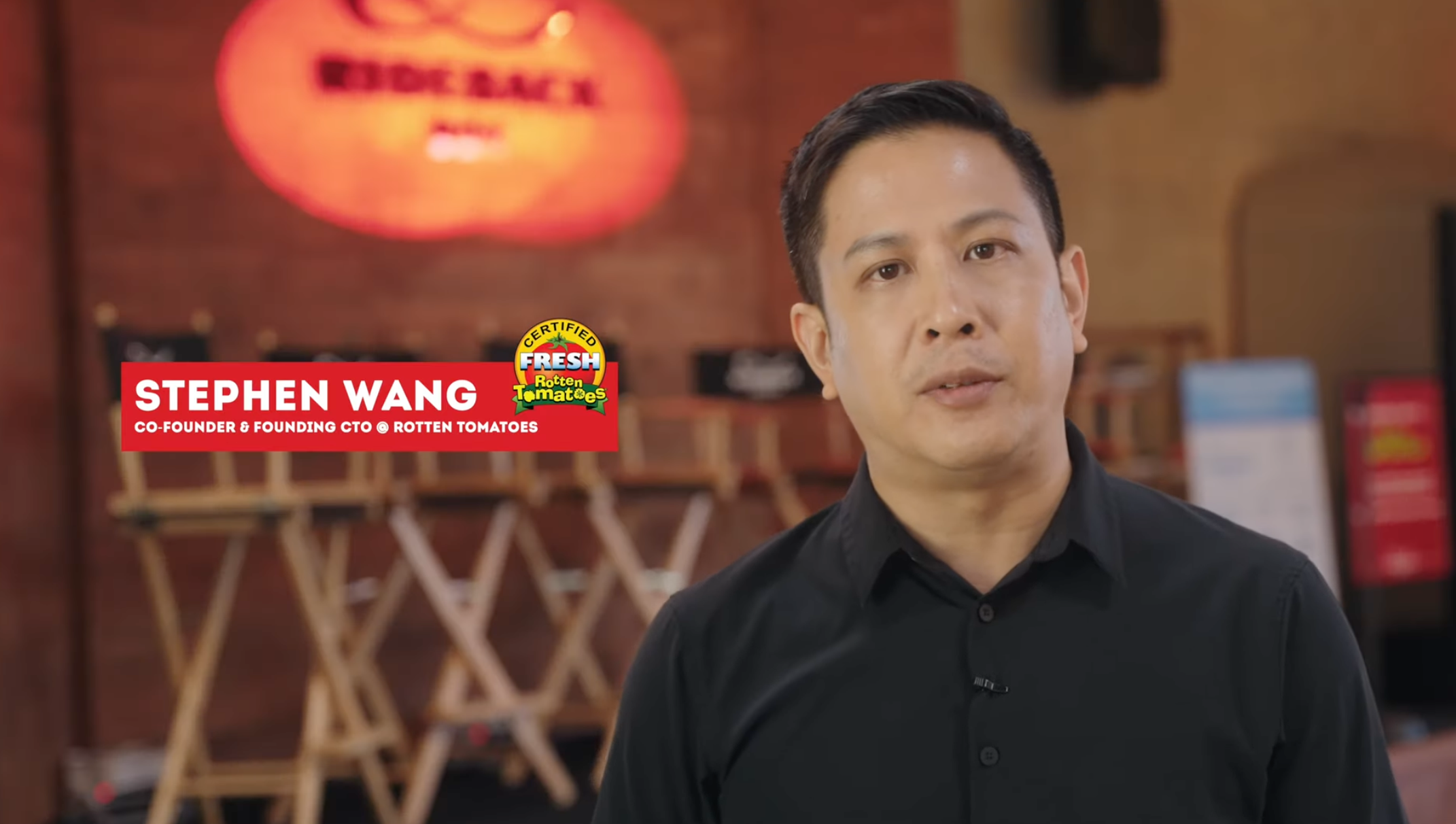
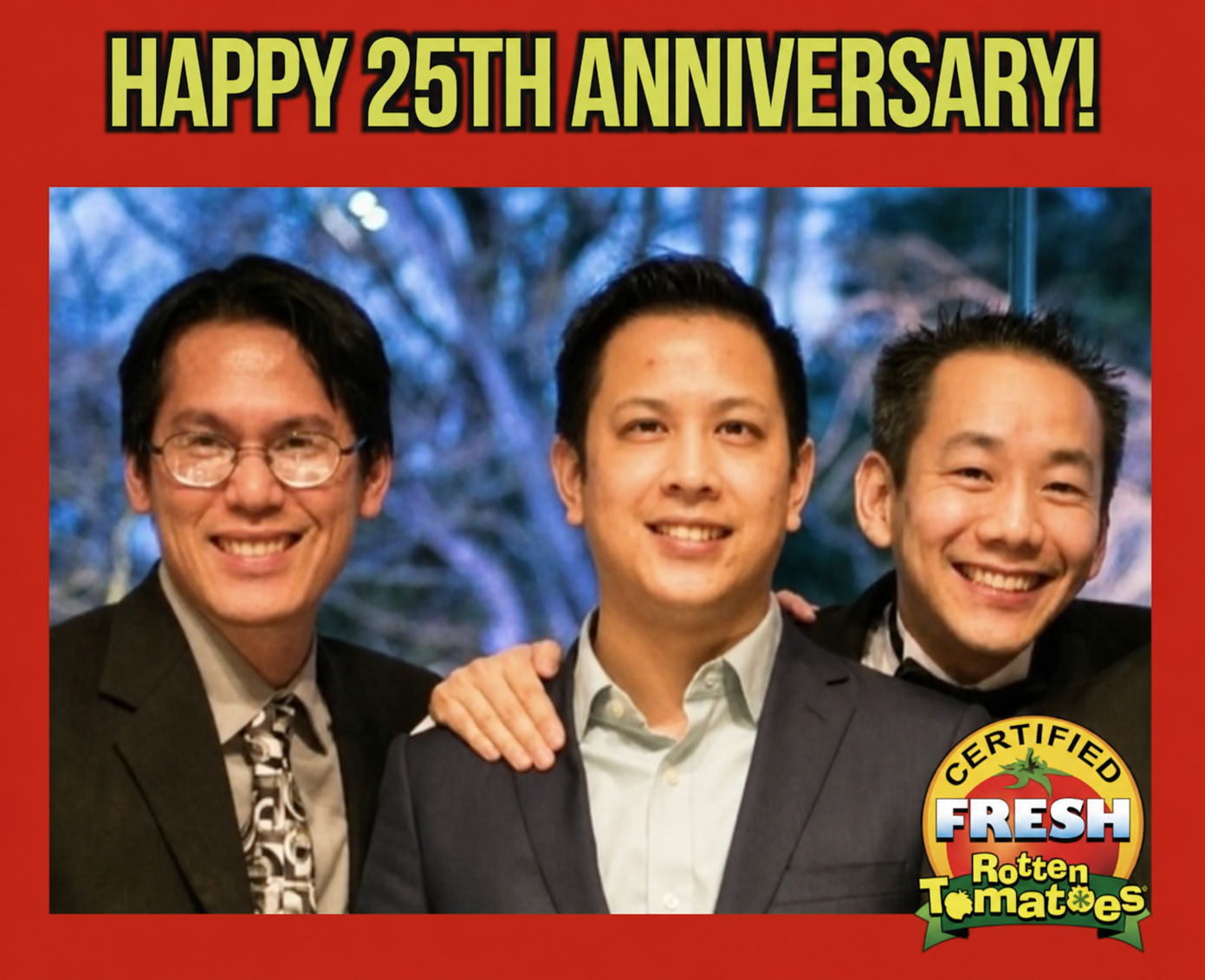
Thanks to Stone Soup Social for this amazing retrospective event on the 25th anniversary of Rotten Tomatoes in 2023.